Ayurvedic Treatment for Kidney Stones
Help small stones pass, ease pain and prevent new stones with size-specific Ayurvedic medicines and diet.
- Medicine customised to your stage and body type
- Prepared in our own Ayurvedic pharmacy
- Free first consultation · online or in Haridwar
Free Callback from a Vaidya
Get expert advice on Kidney Stones. We'll call you within 24 hours.
What is Kidney Stones?
Kidney stones are hard deposits of minerals and salts that form inside the kidneys. Small stones may pass without symptoms, but a stone moving down the ureter can cause severe pain in the back or side that spreads to the lower abdomen and groin, sometimes with blood in the urine, nausea or burning.
Whether medicines can help depends mainly on the stone's size and position. Small stones (usually up to about 6–8 mm) often pass with treatment and fluids. We also work on why stones form, so they are less likely to return.
The Ayurvedic view — Ashmari
Ayurveda calls kidney stones Ashmari. Kapha forms the base of the stone, Vata dries and hardens it and Pitta adds heat and burning. Herbs with Ashmari-bhedana (stone-breaking) and Mutrala (diuretic) action are used, along with diet that prevents re-formation.
Symptoms of Kidney Stones
Tick the symptoms you have. This quick self-check suggests which stage may apply to you. A Vaidya will confirm it during your free consultation.
This is not a diagnosis. Only a doctor can confirm your stage and the right medicine.
Get my stage confirmed — freeCauses & Triggers
- Low water intake and dehydration
- High-salt, high-oxalate or high-protein diet
- High uric acid or calcium
- Holding urine for long periods
- Family history and hot climate
Stages of Kidney Stones & How Your Medicine Changes
We do not give every Kidney Stones patient the same medicine. Your formulation, dose and therapies depend on the stage of the disease:
Small stones (under ~6 mm)
Often found on ultrasound; mild or no pain.
Stone-dissolving and diuretic herbs with high fluid intake — good chance of passing naturally.
Medium stones (~6–10 mm)
Recurrent pain, sometimes blood in urine.
Stronger Ashmari-bhedak formulations under monitoring with repeat ultrasound.
Large / Obstructing
Stones over 10 mm, swelling of the kidney or infection.
Urological care may be needed; Ayurveda supports recovery and prevents recurrence.
Our Ayurvedic Treatment for Kidney Stones
- Review of ultrasound/CT (stone size, location)
- Stone-dissolving and diuretic medicines
- Pain and burning relief
- Diet based on stone type
- Repeat scan to confirm clearance
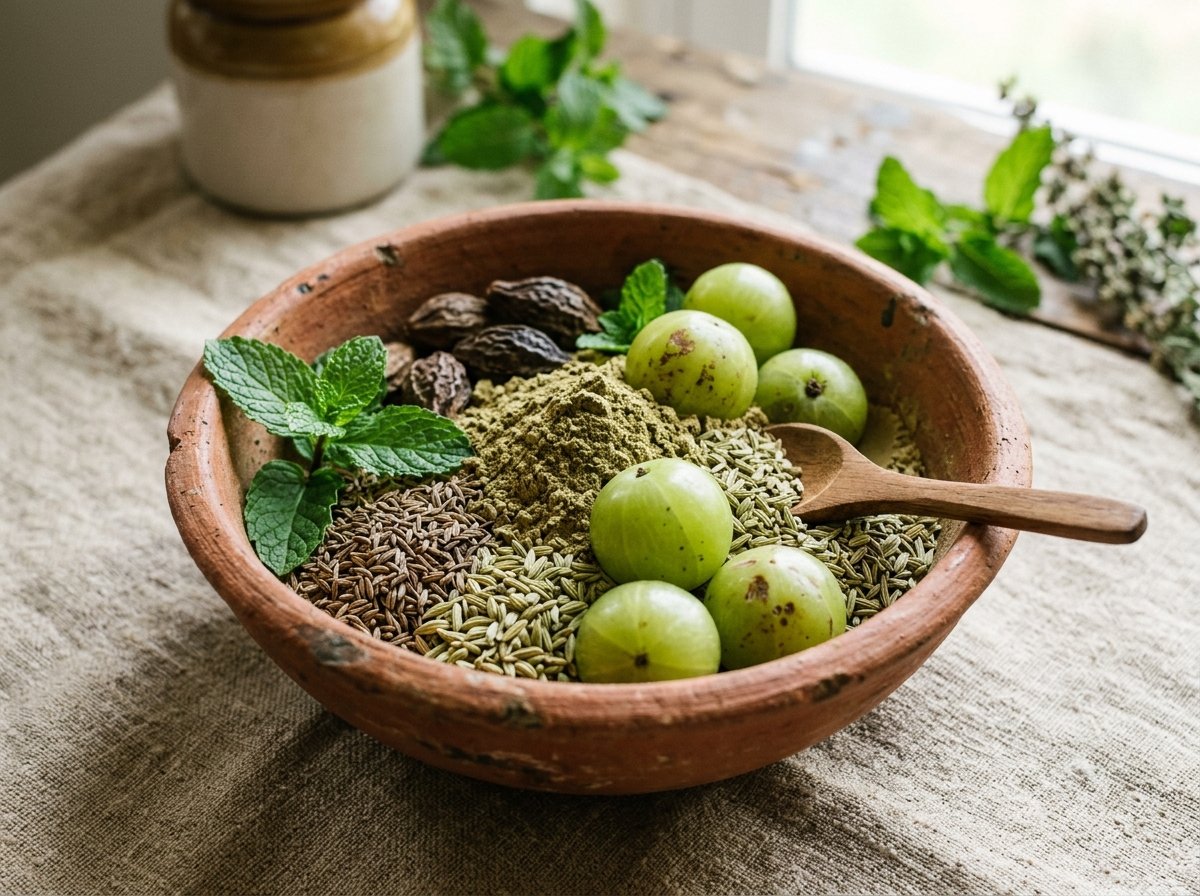
Herbs commonly used
Exact herbs and doses are chosen by the Vaidya for your stage and body type. Please don't self-medicate.
What to Expect, Step by Step
No surprises: this is how treatment usually progresses after you contact us.
-
Day 1
Free consultation
A Vaidya reviews your symptoms, reports and current medicines, and explains your stage.
-
Week 1
Medicines & diet chart
Your personalised medicines are prepared and delivered with written dosage and a diet plan.
-
Weeks 2–6
First review
We check how you are responding and fine-tune doses, diet or routine.
-
Months 2–6
Stage-wise adjustment
As your condition improves, your formulation is changed to match the new stage.
-
After
Maintenance & prevention
Medicines are tapered, with lifestyle guidance to help keep symptoms from returning.
Diet & Lifestyle for Kidney Stones
Foods that help (Pathya)
- 3–4 litres of water daily
- Coconut water and barley water
- Horse gram (kulthi) soup
- Cucumber, watermelon and lauki
Foods to avoid (Apathya)
- Excess salt and packaged food
- Spinach, chocolate and nuts in excess (oxalate stones)
- Red meat and excess protein
- Cola and aerated drinks
Daily lifestyle tips
- Never hold urine for long
- Drink water through the day, not all at once
- Stay active — light jumping or walking may help small stones
- Limit tea and coffee
When to see a doctor urgently
- Severe pain with fever or chills (possible infection)
- Unable to pass urine
- Persistent vomiting or blood clots in urine
Related Formulations
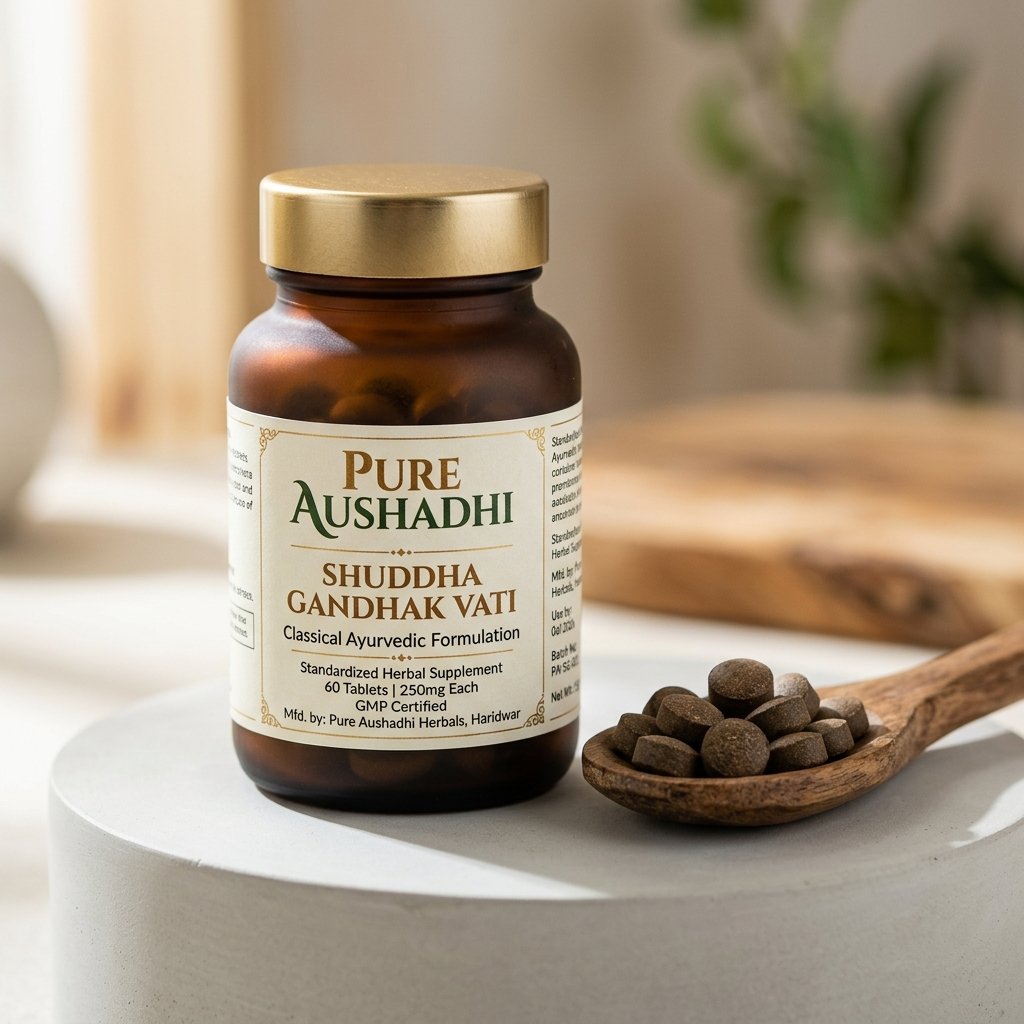
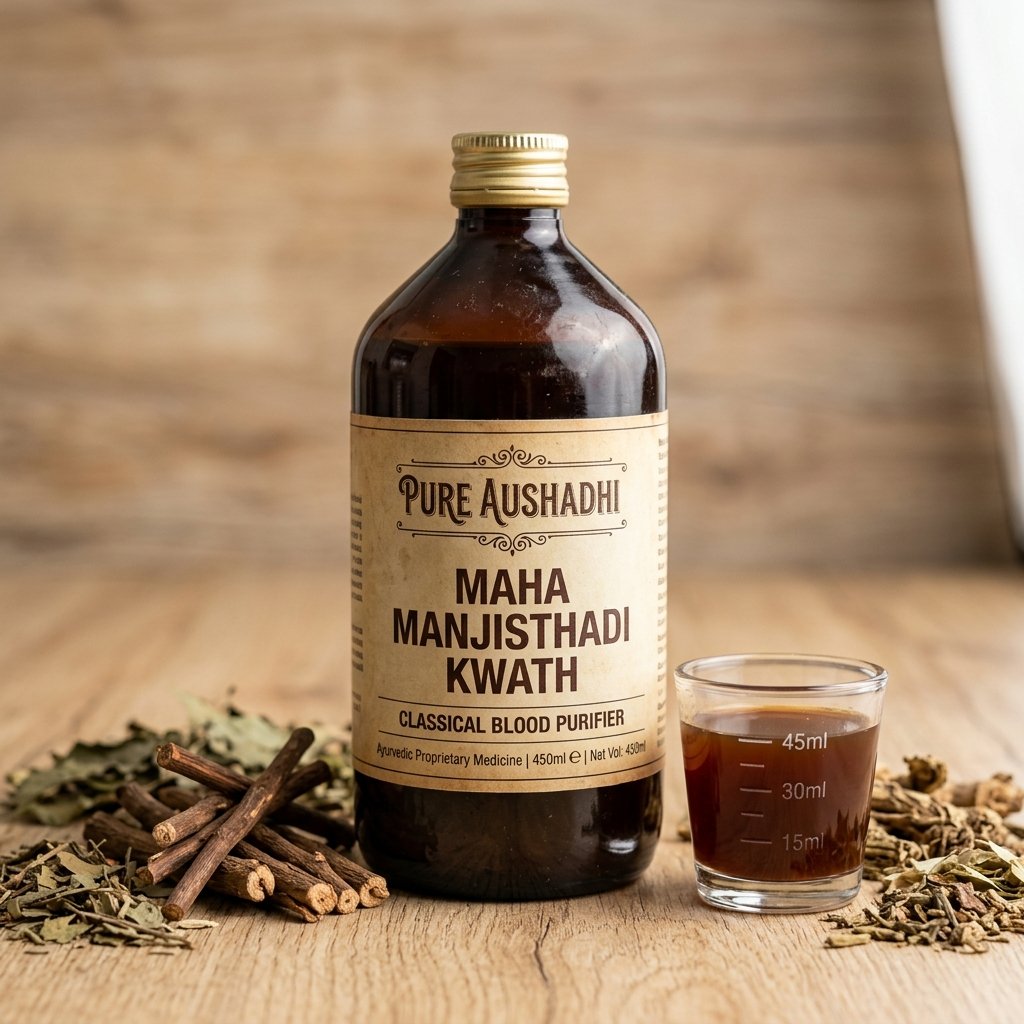
Full pharmacyGeneral-wellness products from our pharmacy. For Kidney Stones, we recommend a consultation so the Vaidya can customise your medicine.
Kidney Stones: Frequently Asked Questions
This page is for general information and is not a substitute for medical advice. Do not stop prescribed medicines without consulting your doctor. Individual results vary. Read our medical disclaimer.
Start Your Kidney Stones Treatment Today
Free first consultation. Medicines prepared for your stage and reviewed every month.