Ayurvedic Treatment for PCOD / PCOS
Regulate periods, balance hormones and manage weight, acne and unwanted hair with a PCOD plan built for your type and stage.
- Medicine customised to your stage and body type
- Prepared in our own Ayurvedic pharmacy
- Free first consultation · online or in Haridwar
Free Callback from a Vaidya
Get expert advice on PCOD / PCOS. We'll call you within 24 hours.
What is PCOD / PCOS?
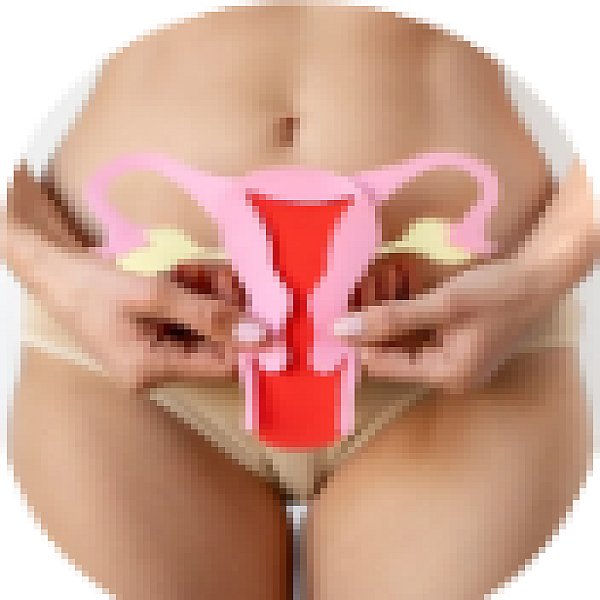
PCOD/PCOS is a hormonal condition in which the ovaries produce many small follicles and do not release an egg regularly. It can cause irregular or missed periods, weight gain, acne, excess facial hair, hair thinning and difficulty conceiving. It is strongly linked with insulin resistance.
Not every PCOD is the same — some women are overweight with insulin resistance, others are lean with stress-related PCOD. We identify your type and treat the root drivers with hormone-balancing herbs, metabolic correction, diet and lifestyle.
The Ayurvedic view — Artava Kshaya / Granthi
PCOD is understood as a Kapha–Vata disorder that blocks the channels of the reproductive system (Artava Vaha Srotas), with weak metabolism (Meda Dhatu and Agni) and cyst-like Granthi formation. Treatment clears obstruction, regulates Apana Vata and supports healthy ovulation.
Symptoms of PCOD / PCOS
Tick the symptoms you have. This quick self-check suggests which stage may apply to you. A Vaidya will confirm it during your free consultation.
This is not a diagnosis. Only a doctor can confirm your stage and the right medicine.
Get my stage confirmed — freeCauses & Triggers
- Insulin resistance
- Sedentary lifestyle and weight gain
- High-sugar, processed diet
- Stress and irregular sleep
- Family history
Stages of PCOD / PCOS & How Your Medicine Changes
We do not give every PCOD / PCOS patient the same medicine. Your formulation, dose and therapies depend on the stage of the disease:
Mild
Periods slightly irregular; few other symptoms.
Cycle-regulating herbs, diet and exercise — often responds within a few cycles.
Moderate
Periods every 45–90 days with acne, weight gain or hair growth.
Kanchanar Guggulu-type formulations, insulin-sensitising herbs and uterine tonics.
Severe / With Infertility
Periods rarely without medicine, metabolic syndrome or trying to conceive.
Intensive programme with Panchakarma (e.g. Basti) where suitable and fertility-focused care.
Our Ayurvedic Treatment for PCOD / PCOS
- Consultation on cycle history, ultrasound and hormone reports
- PCOD type identification (insulin-resistant, lean, inflammatory)
- Hormone and cycle-balancing medicines
- Diet, exercise and sleep plan
- Cycle tracking and monthly review
Herbs commonly used
Exact herbs and doses are chosen by the Vaidya for your stage and body type. Please don't self-medicate.
What to Expect, Step by Step
No surprises: this is how treatment usually progresses after you contact us.
-
Day 1
Free consultation
A Vaidya reviews your symptoms, reports and current medicines, and explains your stage.
-
Week 1
Medicines & diet chart
Your personalised medicines are prepared and delivered with written dosage and a diet plan.
-
Weeks 2–6
First review
We check how you are responding and fine-tune doses, diet or routine.
-
Months 2–6
Stage-wise adjustment
As your condition improves, your formulation is changed to match the new stage.
-
After
Maintenance & prevention
Medicines are tapered, with lifestyle guidance to help keep symptoms from returning.
Diet & Lifestyle for PCOD / PCOS
Foods that help (Pathya)
- High-fibre meals with millets and vegetables
- Protein at every meal (dal, sprouts, paneer)
- Flaxseed, pumpkin seeds and cinnamon
- Spearmint tea if advised
Foods to avoid (Apathya)
- Sugar, sweets and bakery products
- Maida and packaged snacks
- Excess dairy if it worsens acne
- Late-night eating
Daily lifestyle tips
- Exercise 45 minutes daily — walking plus strength training
- Sleep by 10:30 PM
- Practise Surya Namaskar, Baddha Konasana and Bhramari
- Track your cycle in an app
When to see a doctor urgently
- No period for more than 3 months
- Very heavy bleeding with dizziness
- Severe sudden pelvic pain
Related Formulations
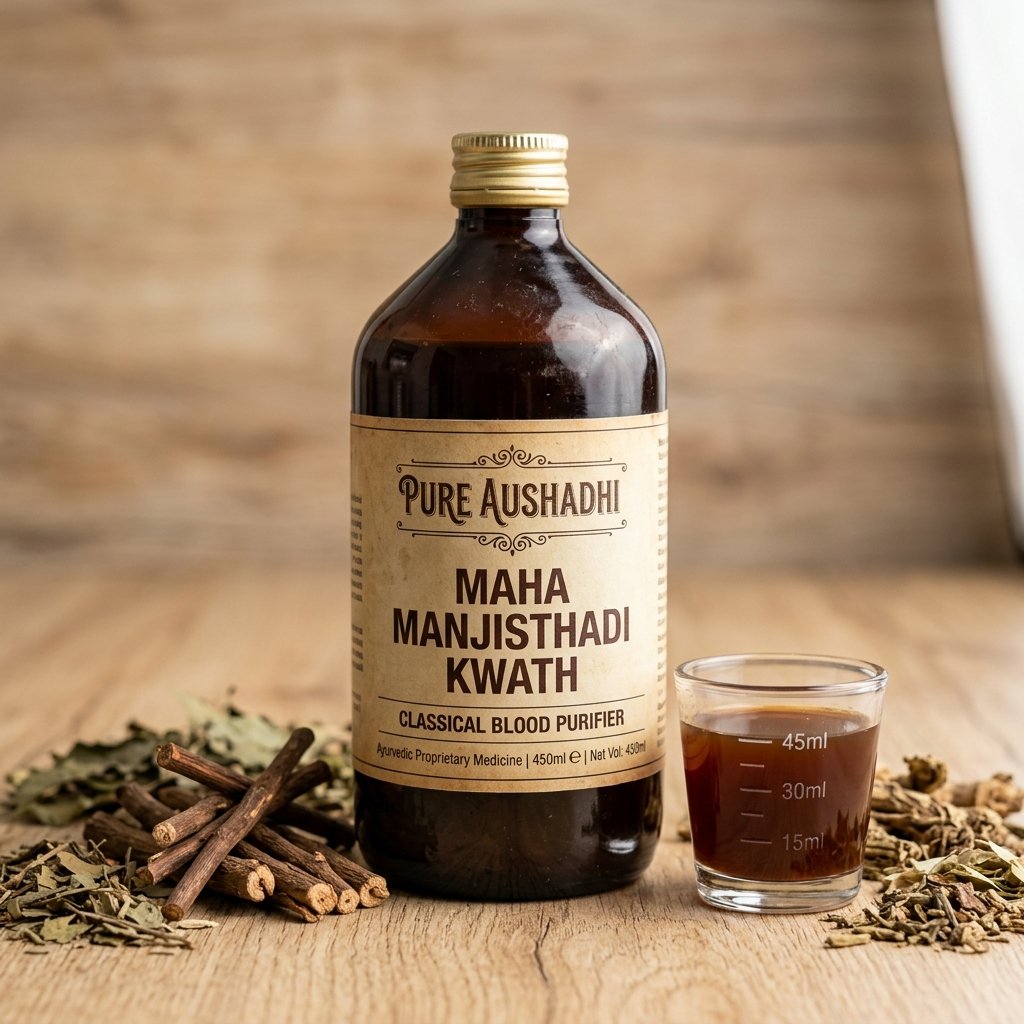
Full pharmacyGeneral-wellness products from our pharmacy. For PCOD / PCOS, we recommend a consultation so the Vaidya can customise your medicine.
PCOD / PCOS: Frequently Asked Questions
This page is for general information and is not a substitute for medical advice. Do not stop prescribed medicines without consulting your doctor. Individual results vary. Read our medical disclaimer.
Start Your PCOD / PCOS Treatment Today
Free first consultation. Medicines prepared for your stage and reviewed every month.